


Garage door maintenance in Kansas City matters most right before the cold sets in. November is the month when Kansas City area doors start to feel the first hard freezes, and it’s the best time to catch small problems before a January morning turns them into a door that won’t open. This guide walks through what cold weather does to a garage door, a simple checklist you can do yourself in about 20 minutes, the warning signs that mean it’s time to call a technician, and answers to the questions homeowners ask us most this time of year.
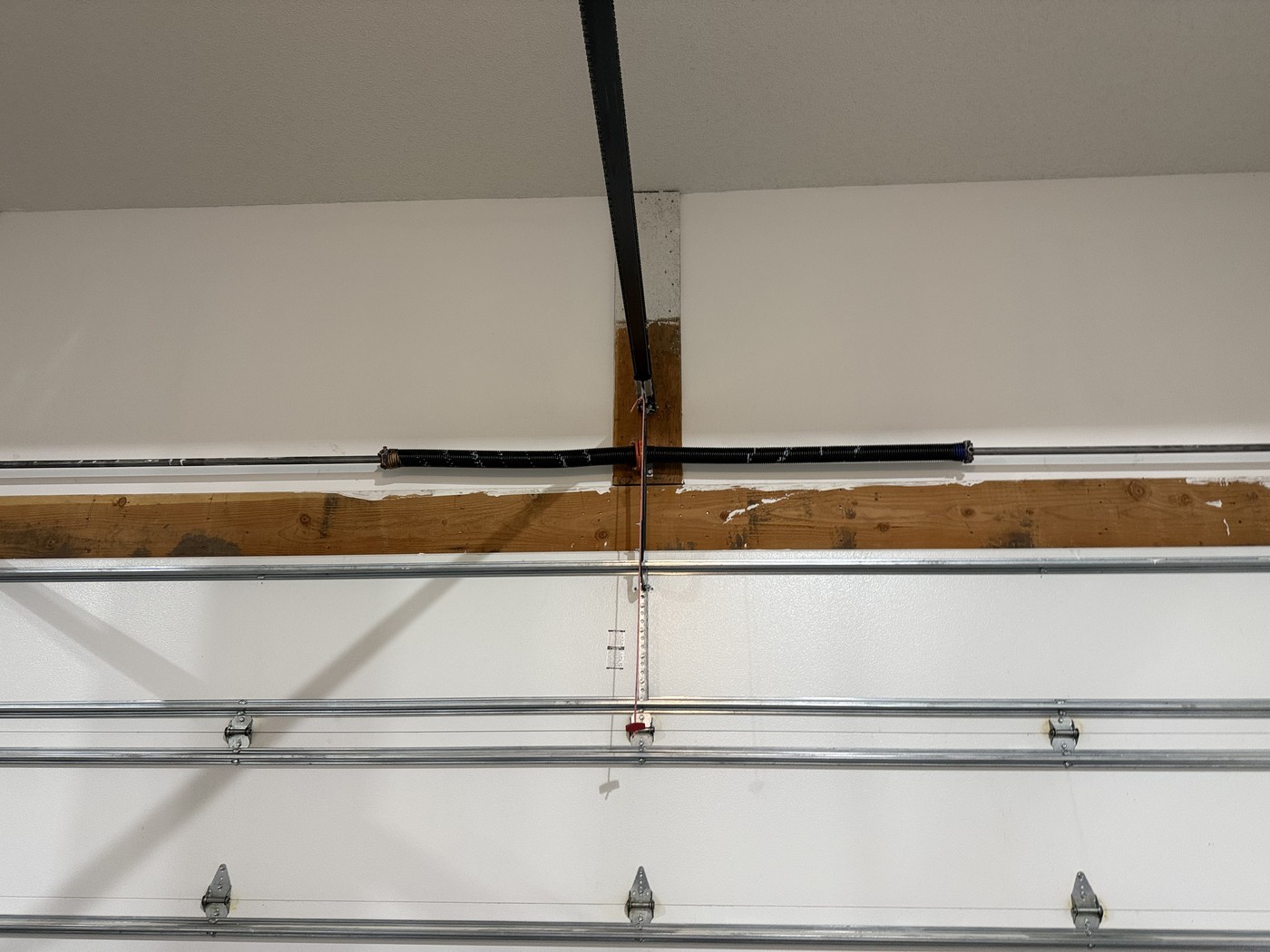
What cold weather does to your garage door
A garage door is a heavy moving system of metal parts, rubber seals, and an electric opener. Each of those pieces reacts to cold in its own way:
- Metal contracts. Springs, tracks, rollers, and hinges shrink slightly in the cold. Parts that were already worn or slightly out of adjustment can start to bind or squeak.
- Lubricant thickens. Old grease on rollers and hinges gets stiff, so the door moves slower and the opener has to work harder.
- Rubber stiffens. The bottom seal and weatherstripping get hard and can crack, letting cold air, snow, and leaves blow in.
- Springs carry more stress. Springs that are near the end of their life often give out during a cold snap, because the steel is under the most strain when the temperature drops.
- Bottom seals can freeze down. After rain or melting snow, the seal can freeze to the concrete. Forcing the door up with the opener can tear the seal or strain the opener.
We wrote more about how our local weather wears on doors in why Kansas City weather is tough on your garage door, and about cold-weather spring failures in why garage door springs snap in February.
Your November garage door checklist
These steps are safe for most homeowners. None of them involve touching the springs or the cables, which are under high tension and should only be handled by a trained technician.
1. Watch and listen
- Open and close the door a few times and stand inside the garage while it runs.
- Listen for grinding, scraping, popping, or loud squeaks.
- Watch both sides. The door should move smoothly and evenly, not jerk or tilt.
2. Look at the hardware
- Check rollers for cracks, flat spots, or wobble in the track.
- Look for loose bolts on hinges and track brackets. Snug them gently if loose, but do not loosen anything on the spring or bottom brackets.
- Look at the springs. A gap in a torsion spring coil means it’s broken. Stretched or uneven extension springs along the tracks are also a warning sign.
- Check the lift cables on each side for fraying.
3. Lubricate the moving parts
- Use a garage door lubricant or white lithium spray, not a heavy grease.
- Apply a light coat to hinges, roller stems and bearings, and the torsion spring coils.
- Do not lubricate the inside of the tracks. Wipe them clean instead.
4. Check the seals
- Close the door and look for daylight along the bottom and sides.
- Feel the bottom seal. If it’s cracked, flattened, or torn, it’s time to replace it before winter.
5. Test the safety features
- Place a roll of paper towels in the door’s path and close it. The door should stop and reverse when it touches it.
- Wave something in front of the photo eye sensors while the door closes. It should reverse.
- Wipe the sensor lenses clean and make sure the lights on both sensors are steady.
6. Test the balance (carefully)
With the door closed, pull the opener’s red emergency release cord so the door is disconnected from the opener. Lift the door by hand to about waist height and let go. A well-balanced door stays put or moves just slightly. If it slams down or shoots up, the spring tension is off. Reconnect the opener and call a technician; do not try to adjust the springs yourself.
A real example from Overland Park
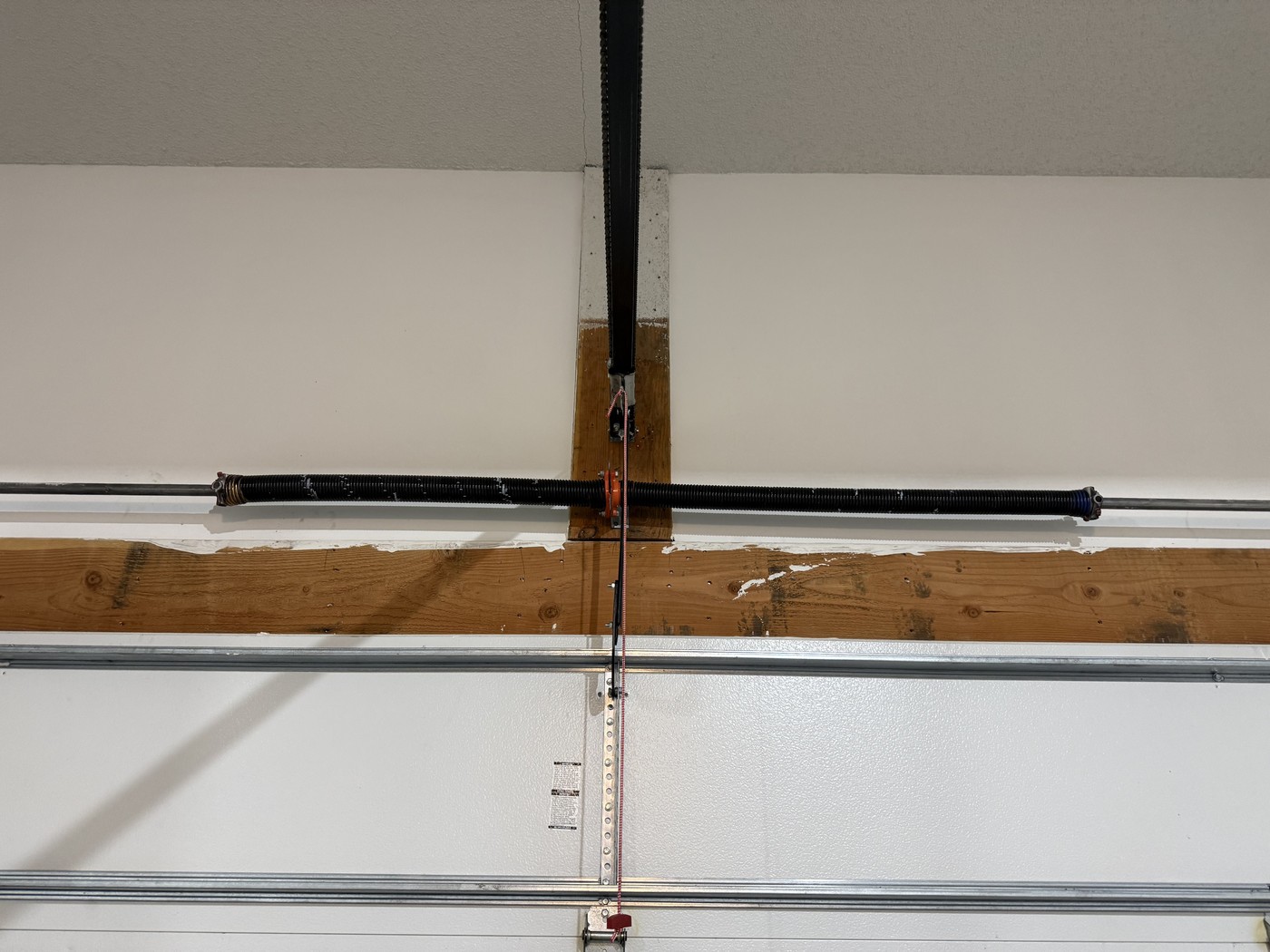
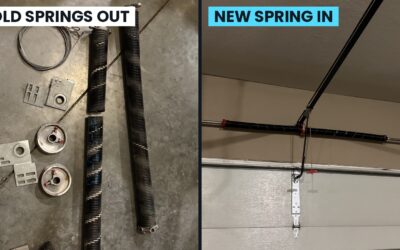
This week our technician Jake was at a home in Overland Park (66221) to adjust the tension on a torsion spring, the spring mounted on the bar above the door. When the tension isn’t right, the door feels heavier than it should, can drift down when you let go, and puts extra load on the opener every time it runs. Getting the balance right before winter means the door and the opener aren’t fighting each other on the coldest mornings. It’s a good example of a quick fix that heads off a bigger problem.
Warning signs to call a technician
- The door feels very heavy when lifted by hand, or won’t stay in place halfway up
- You see a gap in a spring coil or a frayed cable
- The door opens crooked, jerks, or comes out of its tracks
- The opener hums but the door doesn’t move, or the door reverses for no reason
- A loud bang from the garage (often a spring breaking)
If you notice any of these, stop using the opener and call us. Running a door with a broken spring or cable can damage the opener and is a safety risk.
November garage door questions we hear a lot
Should I get a tune-up before winter?
If your door is more than a few years old, or you haven’t had it looked at in a while, a fall tune-up is a smart idea. A technician can check spring tension, cables, rollers, and the opener, and catch worn parts while it’s still convenient to fix them.
My door is frozen to the ground. What should I do?
Don’t keep pressing the opener button. Disconnect the opener or leave it closed, and gently free the seal with a plastic scraper or a little warm (not boiling) water, then dry the area. Clearing slush away from the bottom of the door before it freezes helps prevent it.
Why does my door move slower when it’s cold?
Thickened lubricant and stiff parts are the usual cause. Cleaning and re-lubricating the moving parts often helps. If it’s still slow or straining, the springs or opener may need attention.
Can I replace a garage door spring myself?
We don’t recommend it. Springs hold a lot of stored energy, and winding or unwinding them without the right tools and training can cause serious injury. See our services page for the repairs we handle.
Get your door ready for winter
Above All Garage Doors serves Kansas City, Overland Park, Olathe, and the rest of Johnson County and the metro, with offices in Kansas City, KS and Olathe. Learn more about our garage door repair in Overland Park or see our full service area. Call or text 913-982-7210 to set up a free on-site estimate, or reach us through our contact page.

0 Comments